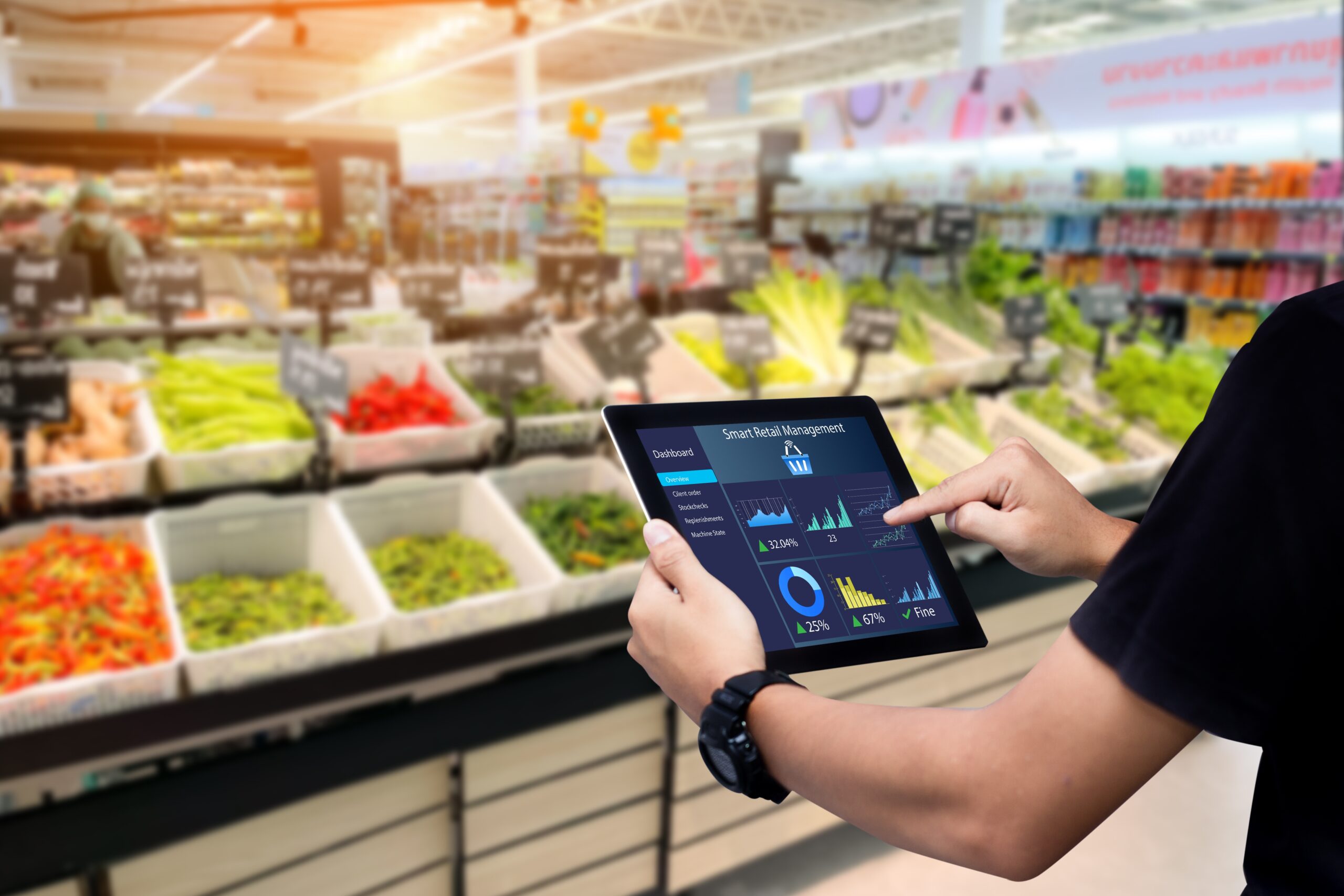
Fruits and vegetables from the Brazilian States of Paraná and Rio Grande do Sul will soon be part of the country’s Food Traceability and Monitoring Program (Rama). The acceptance of the two states, which now join Santa Catarina, was announced by the Ministry of Agriculture, Livestock and Food Supply (Mapa) and the Brazilian Association of Supermarkets (Abras) earlier this week.
more
The partnership between the states, the government and supermarkets aims to broaden farmers’ access to integrated agricultural production, reduce production costs, and promote healthier food supplies, free from elements that pose health risks.
The programme also gives supermarkets and consumers access to detailed information about a product’s origin and health standards. The entire process, from production to packaging and logistics, will be available for online consultation. Suppliers and buyers will also be able to monitor pesticide residues, sustainability and social responsibility.
A pilot trial held by Santa Catarina state and 30 large supermarket chains – including Carrefour – has proven successful, according to the coordinator of Integrated Agricultural Production of the Department of Mobility and Cooperatives of Mapa, Helinton Rocha.
Big supply centres of São Paulo (Ceagesp) and Minas Gerais (Ceasa Minas) should also stimulate their suppliers to produce safer and more traceable food, which is becoming increasingly important to consumers.
The next steps in implementing the programme are to finalise the terms and conditions and give farmers training on how to provide higher value-added products. Retailers should also receive training on how to sell safe food.
The changes in production and the protective measures, however, should not increase costs for consumers, Abras has guaranteed.
The Integrated Agricultural Production – PI Brasil, which supports the official seal ‘Certified Brazil’, is a system capable of producing food safe for consumption, with lower environmental impact, greater social responsibility and guaranteed traceability. In Europe, more than 90% of fruits and vegetables are produced in the integrated system.
The dates for the deployment of the initiative in both southern states have not yet been announced.
AddThis Advanced Settings generic via filter on the_content
AddThis Share Buttons generic via filter on the_content